VITAL Sports
A VR mental-training app for elite golfers on Meta Quest 3 — breathing, immersive tournament footage and visualisation in one short session, guided by live heart-rate variability.
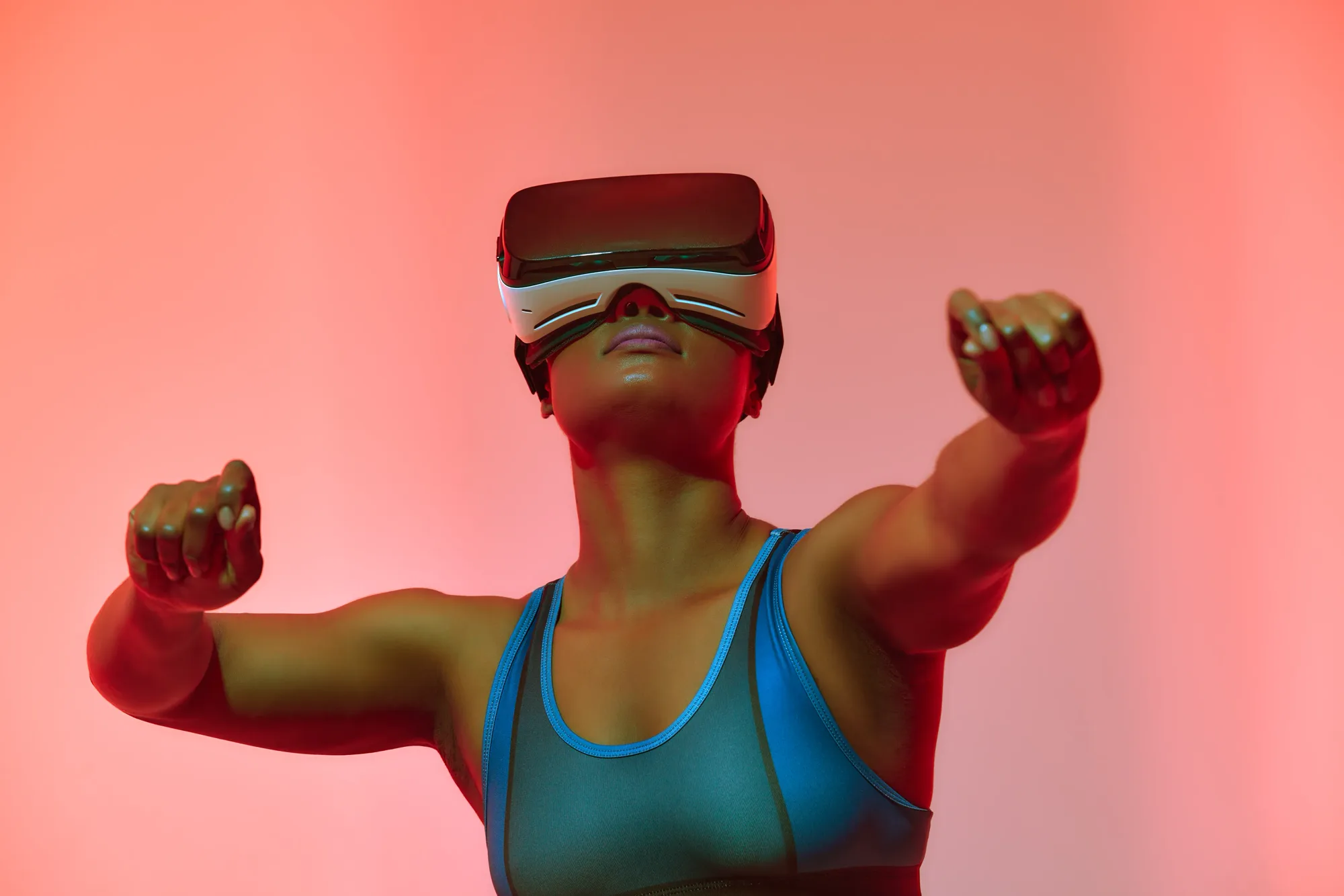
Overview
VITAL — Virtual Immersive Training And Learning — prepares athletes for pressure before they meet it. A personalised session opens on a course the player knows, recalls their best rounds there and walks them through the moments that matter.
Each micro-session combines paced breathing, 180° tournament video and guided visualisation, while a heart-rate-variability readout shows how calm the body really is. The team calls it belief coding: it isn't magic, it's neuroscience.
Challenge
Elite players have little time and less patience for wellness apps. A session had to be short, feel premium from the first screen and speak to them personally — their course, their score, their name.
The biofeedback had to help, not distract. A number that jumps around makes people anxious; the readout needed to read at a glance and reward steady breathing without turning calm into a game.
Biofeedback Pipeline
From the arm to the headset
Heart data streams live from a Polar sensor into the headset, so the session reacts to how the athlete's body is actually responding.
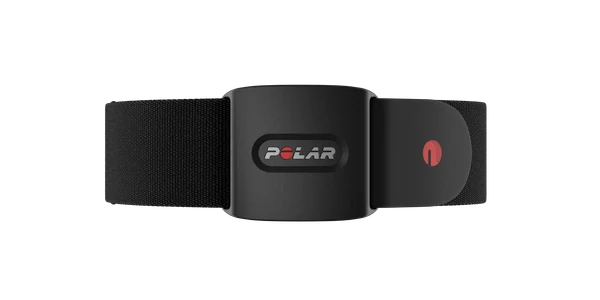 SensorPolar Verity SenseAn optical heart-rate sensor worn on the arm, measuring every beat.
- StreamBluetooth LEBeat-to-beat intervals reach the headset in real time while the session plays.
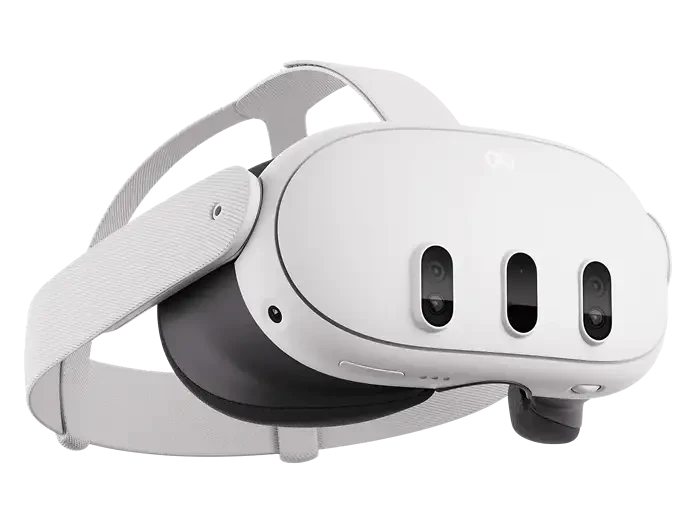 HeadsetMeta Quest 3The Unity app turns the intervals into a vHRV score, updated as the athlete breathes.
- FeedbackvHRV readoutOne number, a live trace and a resilience scale, always in view.
Live biofeedback
Breathe with the pacer — four seconds in, hold, out, hold. As breathing settles into the rhythm, heart-rate variability turns into a smooth wave and the readout climbs towards high resilience. Add pressure to see it fall apart, then recover.
- In4s
- Hold4s
- Out4s
- Hold4s
48vHRV
15:00
An illustrative simulation of the in-headset readout, not recorded data.
Process
- A personal welcome. Every session opens on a card addressed to the player, with its length and what to expect — no menus to learn.
- The course as a postcard. The venue arrives as a stamped postcard that recalls the player's best round there, setting up the visualisation.
- Breathing on the fairway. A box-breathing pacer floats over a dusk-lit golf course, with In / Hold / Out / Hold steps that light up in turn.
- Tournament moments in 180°. Broadcast footage plays on a curved screen in the scene while the vHRV strip keeps reporting underneath.
- Biofeedback at a glance. One number, a scrolling trace and a high-to-low resilience scale — readable in a headset without breaking focus.
In action
A full session recorded in the headset — breathing, tournament footage and visualisation, with the vHRV readout live throughout.